
How most people think about maintaining their body
Common beliefs
-
“Health equals not being sick.”
-
“I’ll focus on my body more when I have time.”
-
“Exercise and diet matter, but not every day.”
What they usually aim for
-
Looking reasonably fit
-
Having enough energy to get through the day
-
Avoiding serious illness
What they actually do
-
Light or inconsistent exercise (walking, occasional gym visits)
-
Eat “mostly okay” with frequent comfort or convenience foods
-
React to problems (pain, weight gain) rather than prevent them
How most people think about maintaining their mind
Common beliefs
-
“Stress is just part of life.”
-
“I’ll rest once things calm down.”
-
“Mental health issues are serious—but only if they’re extreme.”
What they usually aim for
-
Feeling calm enough to function
-
Avoiding burnout
-
Keeping negative emotions under control
What they actually do
-
Distract themselves (phones, TV, social media)
-
Push through mental fatigue
-
Talk about emotions only when they feel overwhelmed
Popular things people do for body & mind (in practice)
Body
-
Walking or jogging
-
Gyms or home workouts (often on and off)
-
Trying diets or “healthy phases”
-
Tracking steps or calories for motivation
Mind
-
Listening to music or podcasts
-
Watching shows to unwind
-
Using meditation or mindfulness apps (briefly)
-
Occasional journaling or motivational content
The big pattern you see everywhere
Most people:
-
Value health in theory
-
Struggle with consistency
-
Choose short-term relief over long-term care
-
Combine body and mind care only loosely
They usually start caring deeply only when something hurts—physically or mentally.
A quiet shift happening now
More people are slowly realizing:
-
Body and mind are deeply linked
-
Small daily habits matter more than big occasional efforts
-
Rest, movement, and meaning are all forms of maintenance
But turning that awareness into action is still the hardest part.
If you’re asking this out of personal curiosity, reflection, or comparison—you’re already thinking one step deeper than most people.
Most people try to care for their body and mind in simple, familiar ways—usually things that feel achievable, social, or easy to fit into everyday life.
Popular things people do for their body
Movement
-
Walking (the most common habit by far)
-
Jogging or casual running
-
Gym workouts (weights + basic cardio)
-
Yoga / Pilates / stretching at home
-
Short workouts from YouTube or apps
Food & body care
-
Trying to eat “balanced” most days
-
Meal prepping for convenience
-
Drinking more water
-
Using supplements (protein, vitamins)
-
Tracking steps, calories, or workouts
Health maintenance
-
Occasional detox or “reset” phases
-
Massage, sauna, or cold showers
-
Fixing posture or back pain routines
Popular things people do for their mind 🧠
Stress relief & calm
-
Watching shows or scrolling social media to relax
-
Listening to music or podcasts
-
Meditation or breathing apps (short sessions)
-
Spending quiet time alone
Emotional & mental support
-
Talking with friends
-
Therapy or counseling (more common than before)
-
Journaling or note-taking
-
Reading self-help or motivational content
Mental stimulation
-
Learning new skills online
-
Playing games or puzzles
-
Reading or audiobooks
Things people do that support both body & mind
-
Walking in nature
-
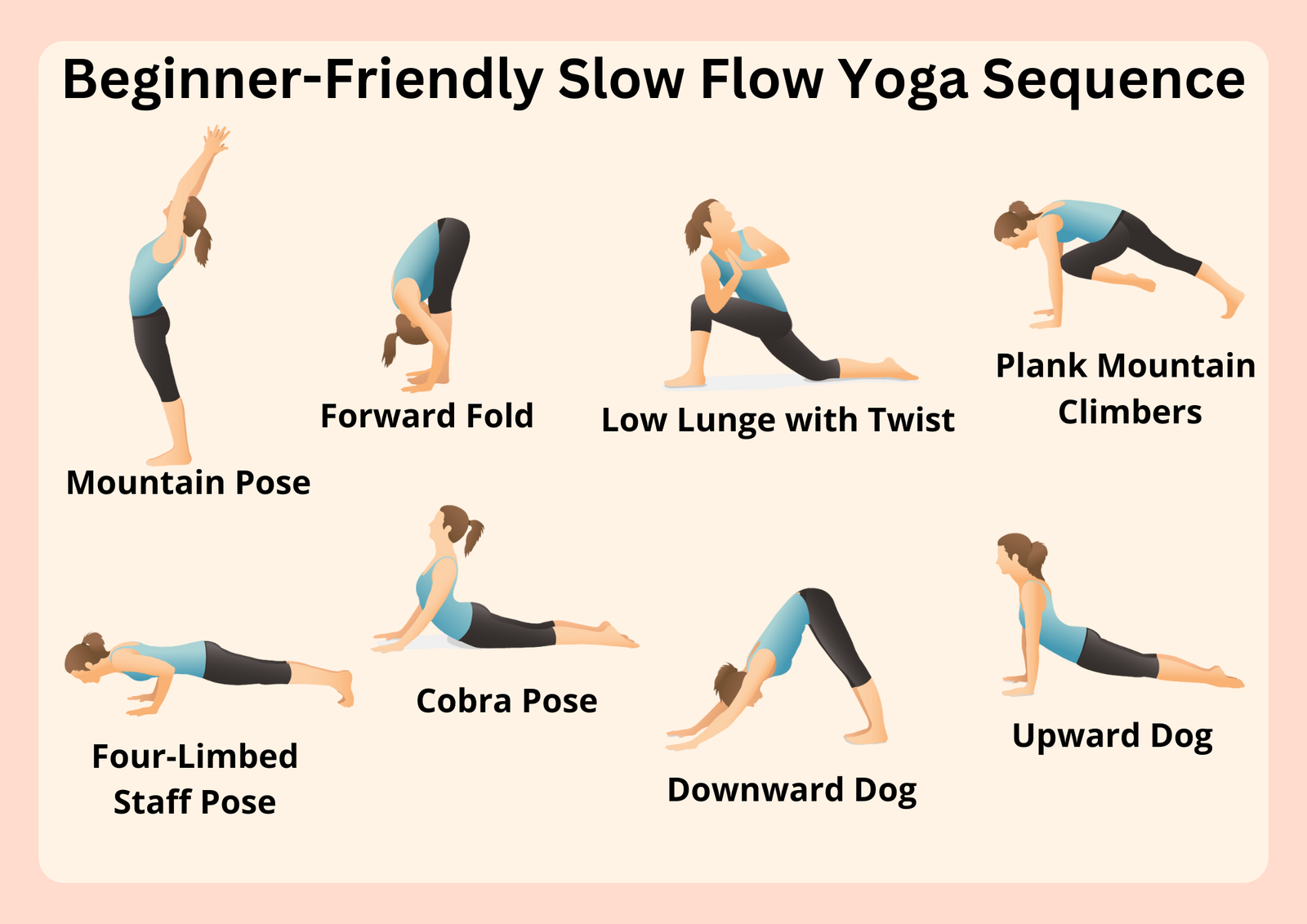
Yoga or mindful movement
-
Group fitness or sports
-
Morning or evening routines
-
Travel or breaks from routine
The overall pattern
Most people:
-
Care about health, but in waves
-
Prefer easy, low-effort habits
-
Use care more to cope than to deeply transform
-
Focus on what feels good now rather than long-term consistency
Awareness is growing—but simplicity and comfort still drive most choices.
That combination explains why these habits remain popular year after year.


